


A Story Rich in Adventures
Construction and Technical Specifications
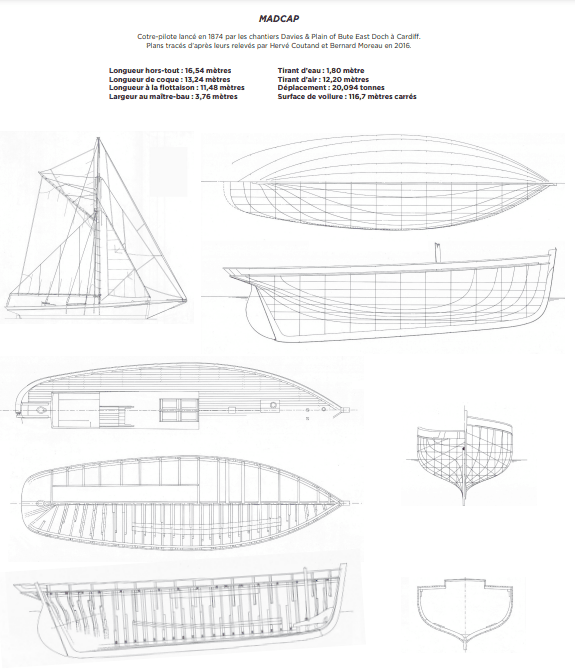
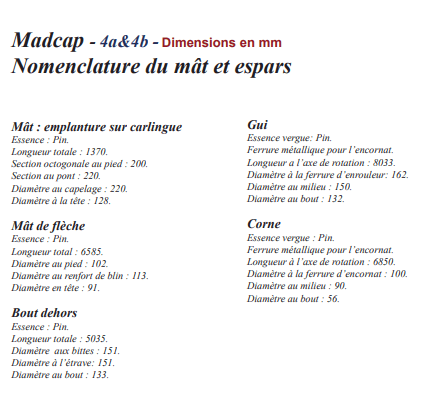
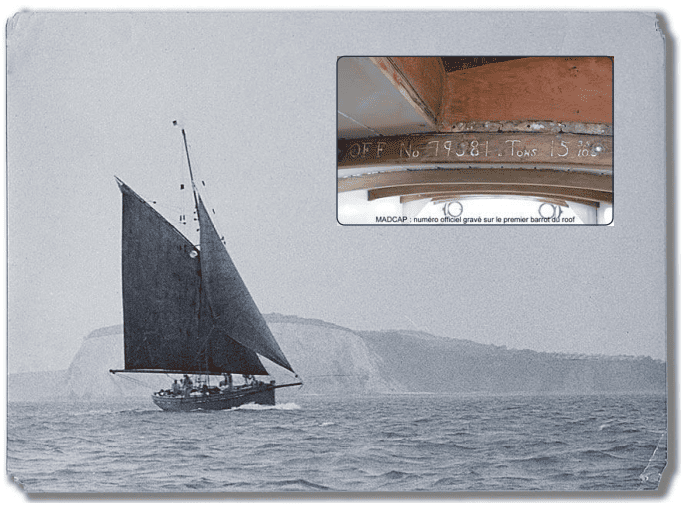
- Reading the 'Cardiff Registered Ships' tells us that Williams Stephens, born in 1830 in Cardigan (Wales) and a sailor by trade, carried out several piloting operations in Cardiff Bay aboard pilot boat No. 11, named MADCAP, between November 20 and December 30, 1874. Built in 1874 by Davies & Plain shipyards, located at Bute East Dock, Cardiff, Madcap officially appears in 1879 in the 'Alphabetic List of British Registered Sailing Vessels' under registration no. 79381. Its owner at the time was William Jenkins, residing at 39 Adelaide Street, Cardiff. Initially intended for the pilot service of the port of Cardiff, Madcap was designed to navigate the demanding conditions of the Bristol Channel, known for its powerful tides and strong currents. The vessel measures 16.54 meters in length and 3.76 meters in width, with a straight bow and rounded stern. Its sail area reaches 116 m². The structure consists of an elm keel and planking, an oak transverse frame, and Oregon pine topsides and deck. For stability, it carries 8 tons of ballast, made up of 2 tons of lead and 6 tons of concrete, for a total weight of 24 tons.
Service as a Pilot Cutter
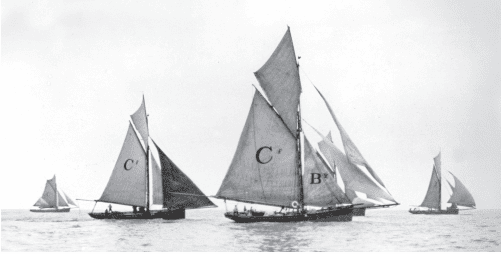
- By the end of the 19th century, Cardiff, Newport, and Swansea were among the largest coal ports in the world, with booming maritime trade. Pilot cutters like Madcap were essential for guiding incoming ships through these treacherous waters. Piloting in the Bristol Channel was a competitive affair. Several cutters would wait offshore, and when a merchant ship appeared on the horizon, a real race began to be the first to reach it. The winning pilot earned the right to escort the vessel to port—a highly lucrative job. These cutters were designed to be fast and highly maneuverable. Crews were usually limited to two or three sailors, including a young deckhand. The deckhand's role was crucial, as he had to row to the waiting ship to drop off the pilot and then return alone to the cutter.
The First Skippers of Madcap
Archives reveal several skippers who sailed aboard Madcap:A Dangerous Profession
- Training to become a pilot began at the age of 14, after spending several years as a deckhand starting at age 11. Following a lengthy apprenticeship of about ten years, a pilot could finally command his own cutter and practice this prestigious trade. The pilot cutter often sailed with only two or three crew members, including a young deckhand. These sailors had to face harsh weather conditions and sometimes operate alone when the pilot boarded a ship at sea. As reported by pilot George Buck (an apprentice in 1900):
Life on Board in the 19th Century
- The Bristol Channel pilot cutters were designed to be handled by just two or three men, often including a young and inexperienced deckhand. These fearless sailors spent long hours at sea, facing howling winds and relentless waves that tossed their fragile craft. Sometimes, they were at sea for several days, with no guarantee of success, at the mercy of the violent currents and unpredictable tides of the Bristol Channel. Bitter cold, constant rain, and pervasive dampness were part of daily life. Damage was common: battered hulls, torn sails, spars broken by the force of the elements. Yet, they had to carry on, as every race to a merchant ship represented a chance to earn, a mission where only speed and mastery of the vessel could mean the difference between success and failure.
George Buck, apprentice pilot in 1900, tells us his story.
"During nighttime boardings in rough weather, we were always relieved to see the dinghy return to the ship."
"We took a reef in the mainsail and decided to head quickly towards the channel. Around 8 p.m., we had completely lowered the mainsail, reefed the staysail again, and hove to. We were then between Nash Point and Foreland [...]. At 10 p.m., the pilot came out, and the wind seemed to be picking up again, with violent squalls and a confused sea. He told me to take the helm and head for Barry Roads. Just before midnight, he asked me to make a cup of tea and to call my crewmate. I complied, and just as I was returning to the cockpit with the cup, I heard a crack. When I went out, I saw that the boom had snapped in two like a carrot. The sail and the end of the boom were in the water, and the mainsail was in shreds. We struggled to retrieve the broken parts aboard, and once everything was secured, we headed for Pill to request a new mainsail and boom. Once there, we learned that the Manxman was off King Road and was requesting pilot assistance. We had not only lost a sail and boom, but also a good ship that paid well."
Transition to Leisure Sailing
- In the 1930s, after several decades of service as a pilot cutter, Madcap was converted into a pleasure craft. Over the years, it changed owners and sailed primarily between Ireland and Brittany, with voyages to the Mediterranean, the Azores, and even Greenland. In 1996, it was included in the United Kingdom's National Historic Fleet, an honor reserved for exceptional British sailing vessels.
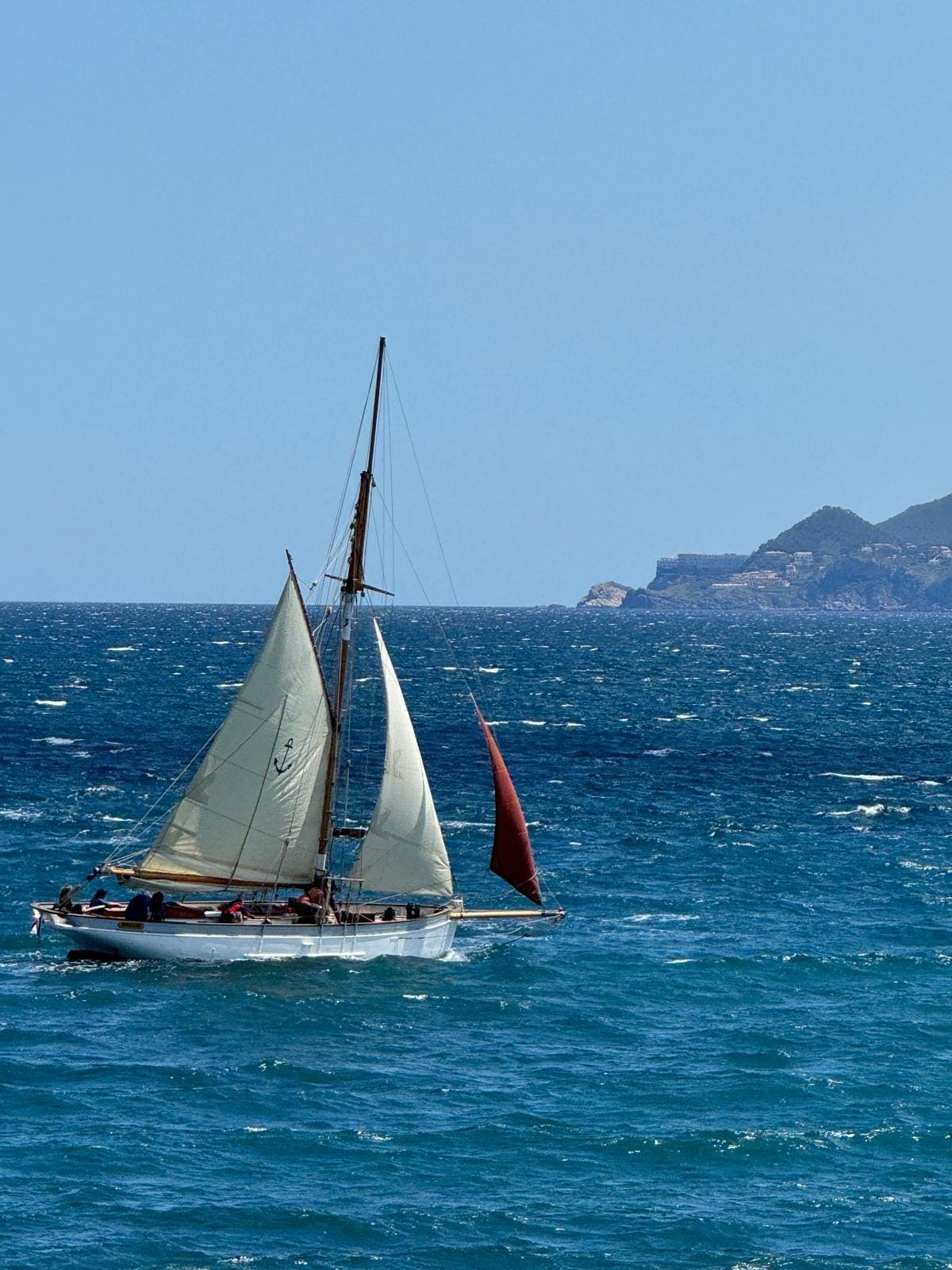 During this period, Madcap took part in historic regattas and even received the prize for the most beautiful boat of the last century at the Douarnenez festival in 1998. In 2015, it was designated a Historic Monument in France.
Acquisition and Restoration
A New Life in the Mediterranean
The Madcap 1874 association and its training in traditional navigation
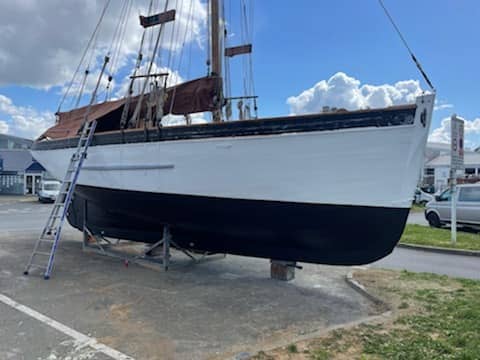
- In 2022, it finally reached the Mediterranean. It underwent a renovation at the Bernadou shipyard, where its stern was rebuilt in oak and elm, respecting the original woods. That same year, the Madcap 1874 association, founded in 2020, developed its social programs, promoting access to navigation for diverse audiences and the transmission of maritime heritage.
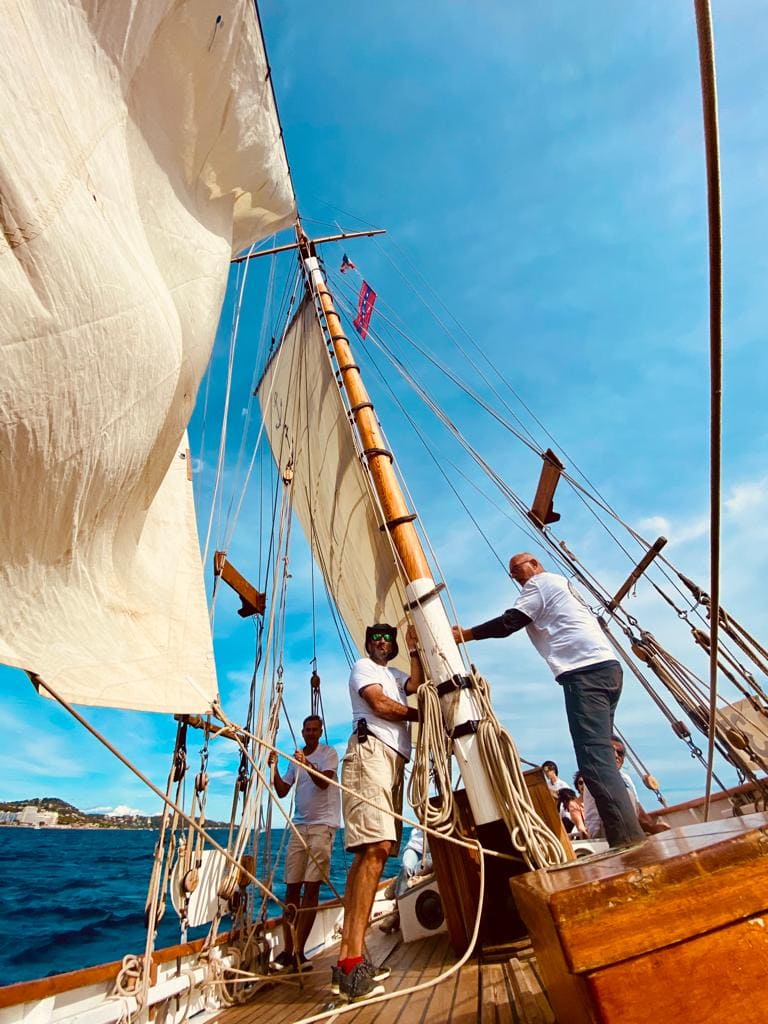
Today, Madcap sails to share its legacy
- Madcap is a living testimony to maritime heritage, sailing to share its history and perpetuate the legacy of pilot cutters. At 150 years old in 2024, Madcap is the oldest of the 17 pilot cutters still sailing today. Madcap's story is that of an extraordinary boat that has weathered the ages and continues to carve its wake across the oceans. Whether as a fast and competitive pilot cutter or as a pleasure craft, its destiny is closely tied to the sea and those who cherish it.